
Designing with Energy: How Vastu Shastra Brings Harmony to Modern Homes
Ancient Wisdom for Modern Living
Every home has an energy you can feel the way sunlight softens a room in the morning, how the breeze moves through open doors, how one corner feels grounding while another invites inspiration. At OTO Design, we believe these invisible qualities are not accidents. They’re the outcome of alignment between the land, the structure, and the people who inhabit it.
For thousands of years, builders across India practiced a design system called Vastu Shastra an 8,000-year-old architectural philosophy that harmonizes dwellings with the natural forces of the universe. “Vastu” translates to dwelling and “Shastra” to science together, the science of dwelling. Long before the words sustainability or biophilia were coined, Vastu guided the placement of rooms, the flow of air and light, and the balance of the five elements earth, water, fire, air, and space to create homes that nurtured both body and spirit.

Every home has an unseen rhythm.
An Ode to Ancient Builders
Vastu Shastra is more than a manual, it’s a memory of how deeply humans once lived in tune with nature. Thousands of years ago, artisans and architects observed how sunlight warmed clay walls, how breezes shaped comfort, and how geometry could evoke peace.
We carry that lineage forward in our own way through sustainable materials, passive systems, and a respect for place.
Every OTO home, no matter how modern, begins with the same timeless question: How can we build with nature, not just on it?
At first glance, Vastu Shastra might seem worlds away from the language of modern prefab architecture grids, panels, and precision. But beneath the surface, they share the same goal: creating harmony between humans and the natural world.
Modern sustainability practices passive solar design, daylighting, natural ventilation, and energy efficiency, echo what ancient builders knew intuitively. The direction of the sun, the pull of magnetic north, the circulation of air: all these forces influence how we feel and function in our homes.
When we align our built spaces with these natural flows, we create more than comfort. We create wellbeing.
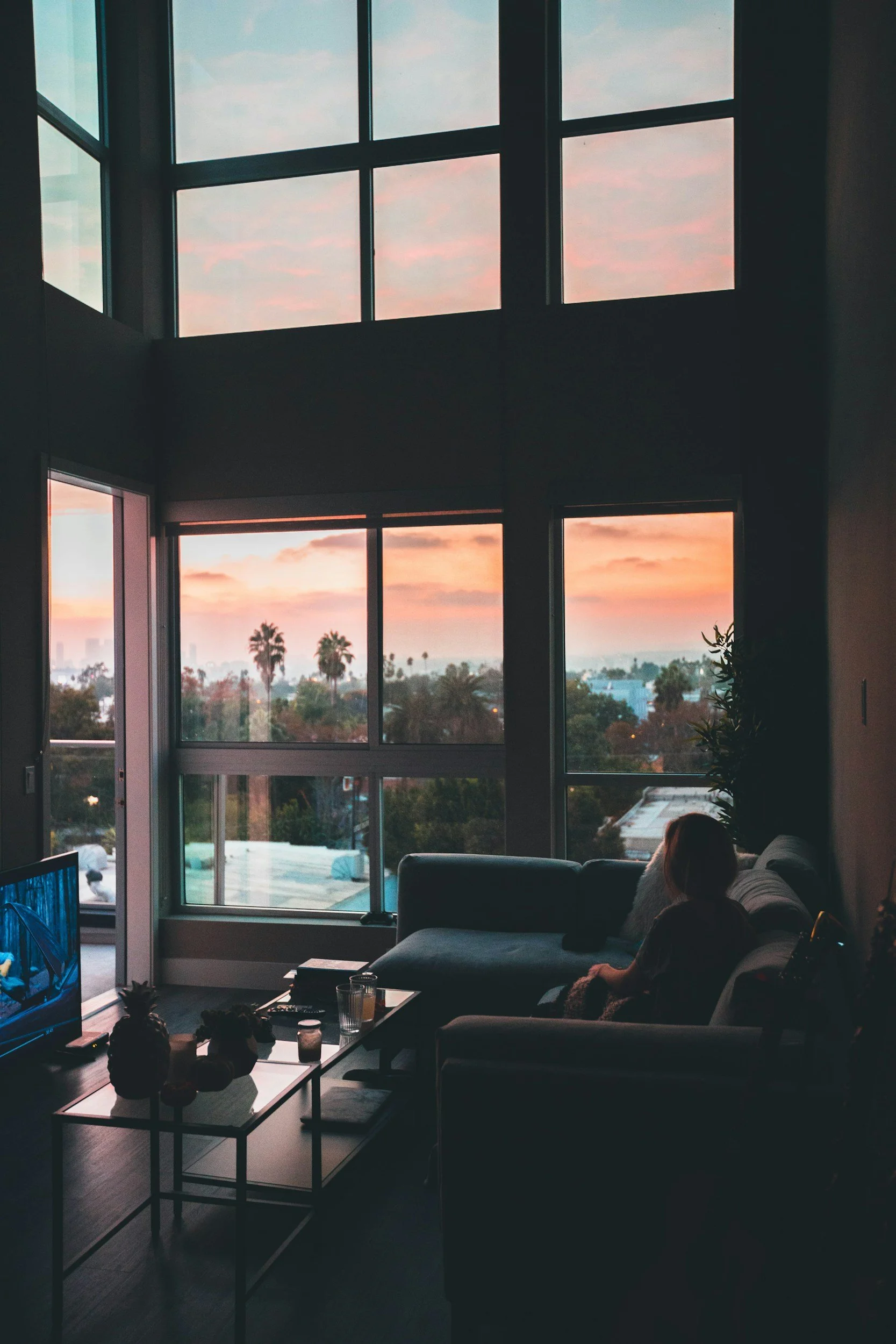
Understanding Vastu Shastra (Without the Dogma)
Vastu is not a rigid set of rules, it’s a framework for understanding why spaces feel the way they do.
At its heart are a few key principles that remain deeply relevant today:
Orientation:
East welcomes the morning sun, new beginnings, vitality, and clarity.
North aligns with the earth’s magnetic field prosperity, and openness.
South offers grounding and rest.
West encourages reflection and quietude.The Five Elements (Pancha Bhutas):
Earth (stability), Water (flow), Fire (energy), Air (movement), and Space (expansion). Every room, color, and material can be seen as an expression of one of these forces.Zoning and Flow:
Kitchens in the southeast harness the energy of fire. Water features toward the north or east create calmness. Bedrooms to the southwest bring deep rest and a sense of grounding.
Where Vastu Meets System-Built Homes
Our systems-built homes are designed on a time-tested structural grid that allows incredible flexibility. Within that rhythm, we can orient walls, windows, and spaces in alignment with your site’s unique energy.
Because prefab at OTO Design isn’t about limitation it’s about precision and intention.
We use digital modeling, solar studies, and site analysis to determine how light, wind, and shade move through your property. Then, through the lens of Vastu, we look at how these natural patterns can enhance wellbeing.
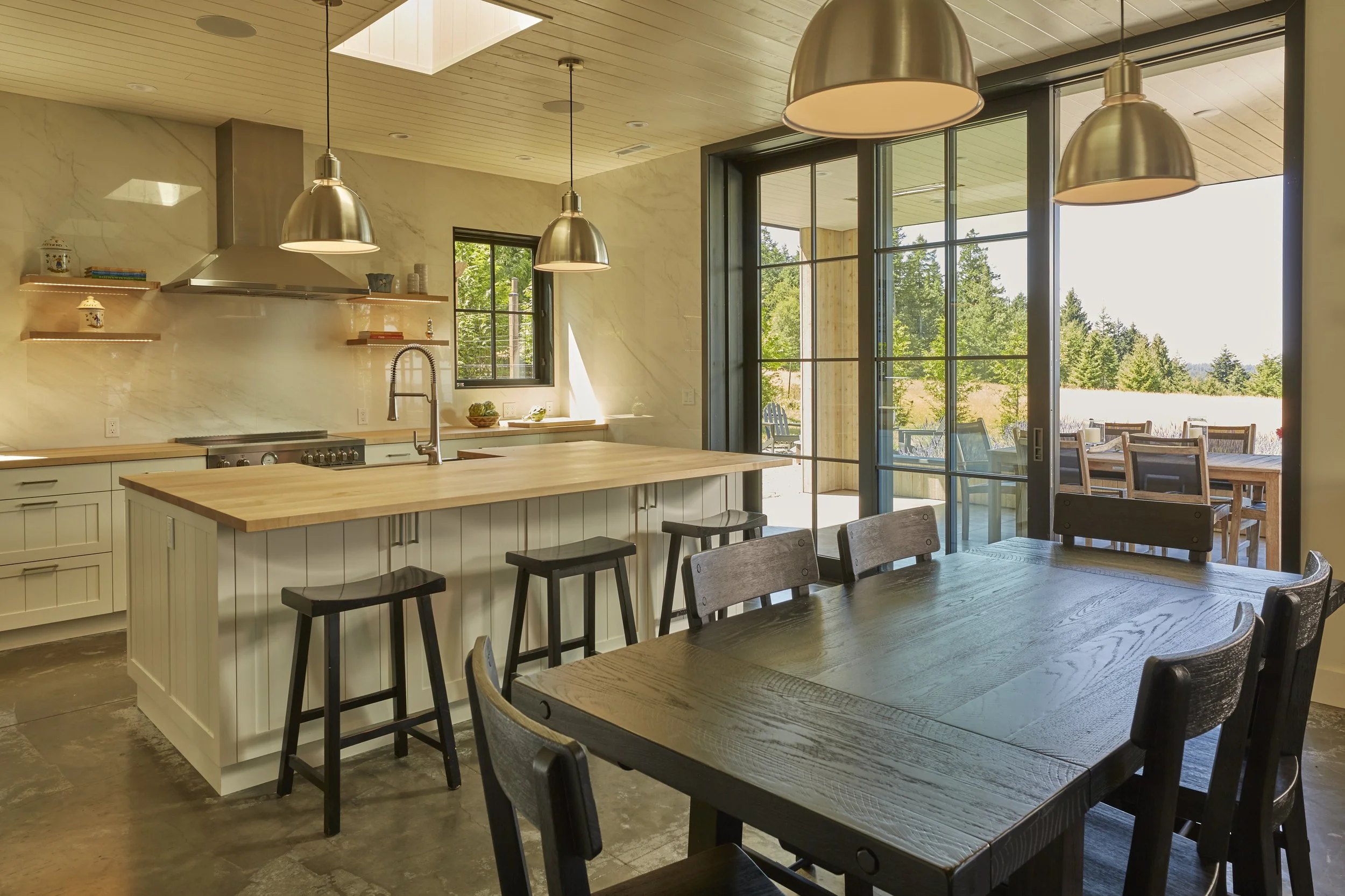
Ready to Design a Home That Belongs?
A home that faces the right direction for morning light not only reduces energy costs but also aligns with Vastu’s principle of harnessing positive solar energy.
A kitchen placed where cross-ventilation is strongest isn’t just sustainable design it’s the ancient art of balance, translated through modern tools. By blending ancient spatial intelligence with modern modular technology, we’re able to design homes that feel timeless yet function effortlessly in the 21st century.
The Benefits You Can Feel
Incorporating Vastu-inspired thinking into a system-built home does more than check a design box it creates spaces that feel right.
Wellbeing and Comfort: Thoughtful orientation improves natural light, reduces artificial heating/cooling, and supports circadian health.
Energy Efficiency: A home that works with the elements uses less energy to stay comfortable year-round.
Cultural Resonance: For many, integrating Vastu connects the home to a lineage of wisdom — a quiet acknowledgment of the past guiding the present.
Emotional Balance: When a space feels harmonious, people relax, focus, and connect more deeply.
“Designing with Vastu is not about superstition it’s about sensitivity. To the land, the light, and the lives within the home.”
— Sakkshi

How We Bring It to Life
At OTO Design, we begin every project by studying the site its orientation, slope, views, vegetation, and wind patterns. From there, we work with clients to explore how these natural elements can guide the placement of living spaces, courtyards, and windows.
Some clients want to fully integrate Vastu principles; others simply appreciate the balance and serenity it brings to their home. Either way, we see it as part of designing responsibly building in harmony with the land rather than against it.
Building with Intention

Basics Of Vastu Shastra
When we design with intention with an understanding of energy, balance, and sustainability, we create more than a house. We create a living, breathing ecosystem that nurtures everyone inside it.
If you’re curious about how Vastu Shastra can shape your future home, we’d love to explore it with you.
→ Book a design consultation
→ Learn more about our systems-built process
