
Why Your Home Deserves More Than White Walls
Expanding Your Palette With Natural Finishes, Texture & Soul
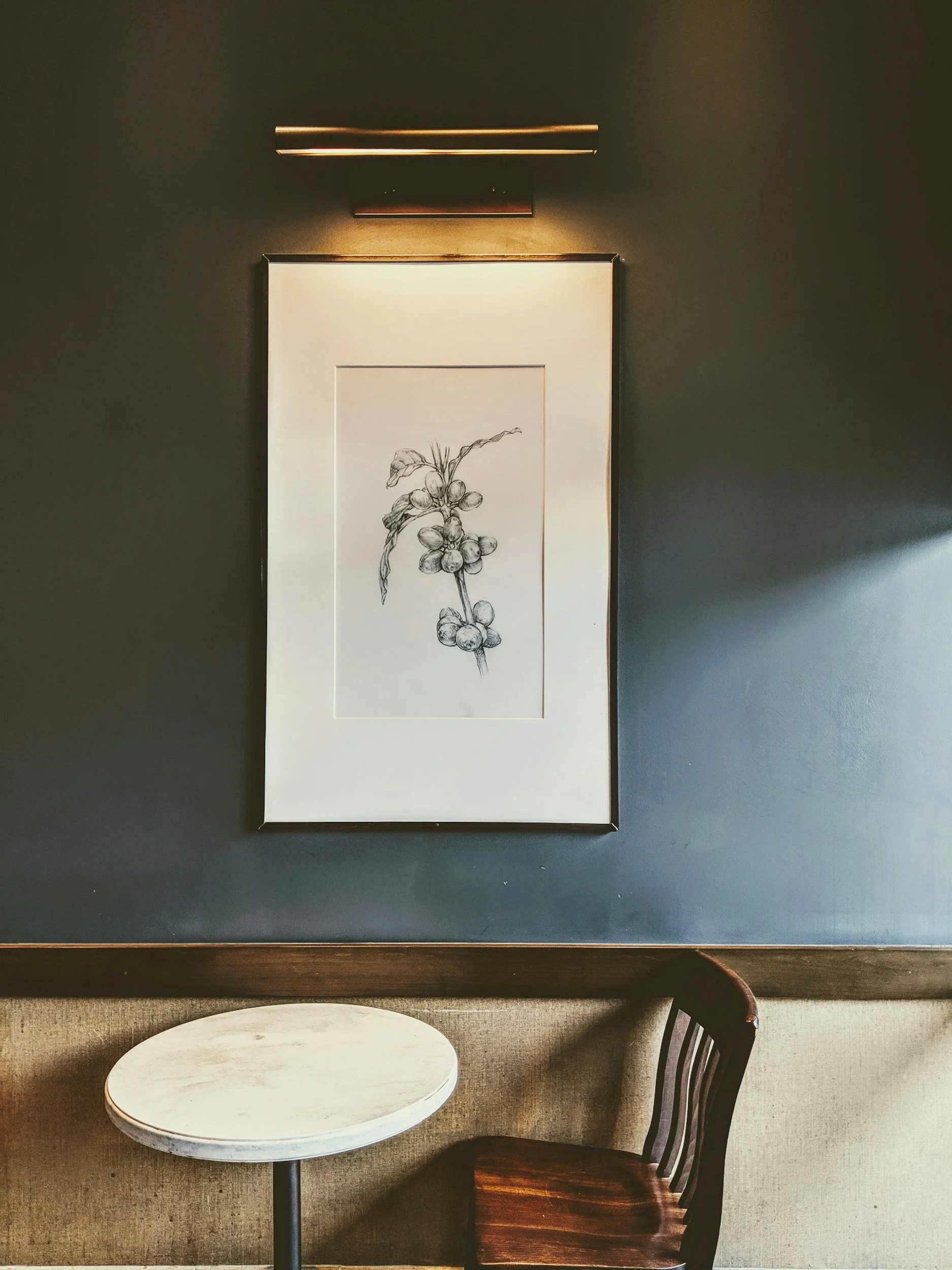
There’s a moment in almost every design consultation when someone says, “We’ll just do white walls throughout for now.” And every time, I smile because I know there’s an entire world of possibility on the other side of that. So yes, this is a love letter to color, texture, and earth-based finishes.
But more importantly, it’s an invitation:
To build a home that feels grounded, sensory, and deeply connected to the land beneath it. While white walls certainly have their time and place, using them everywhere often leaves modern homes feeling sterile, flat, or emotionally unfinished.
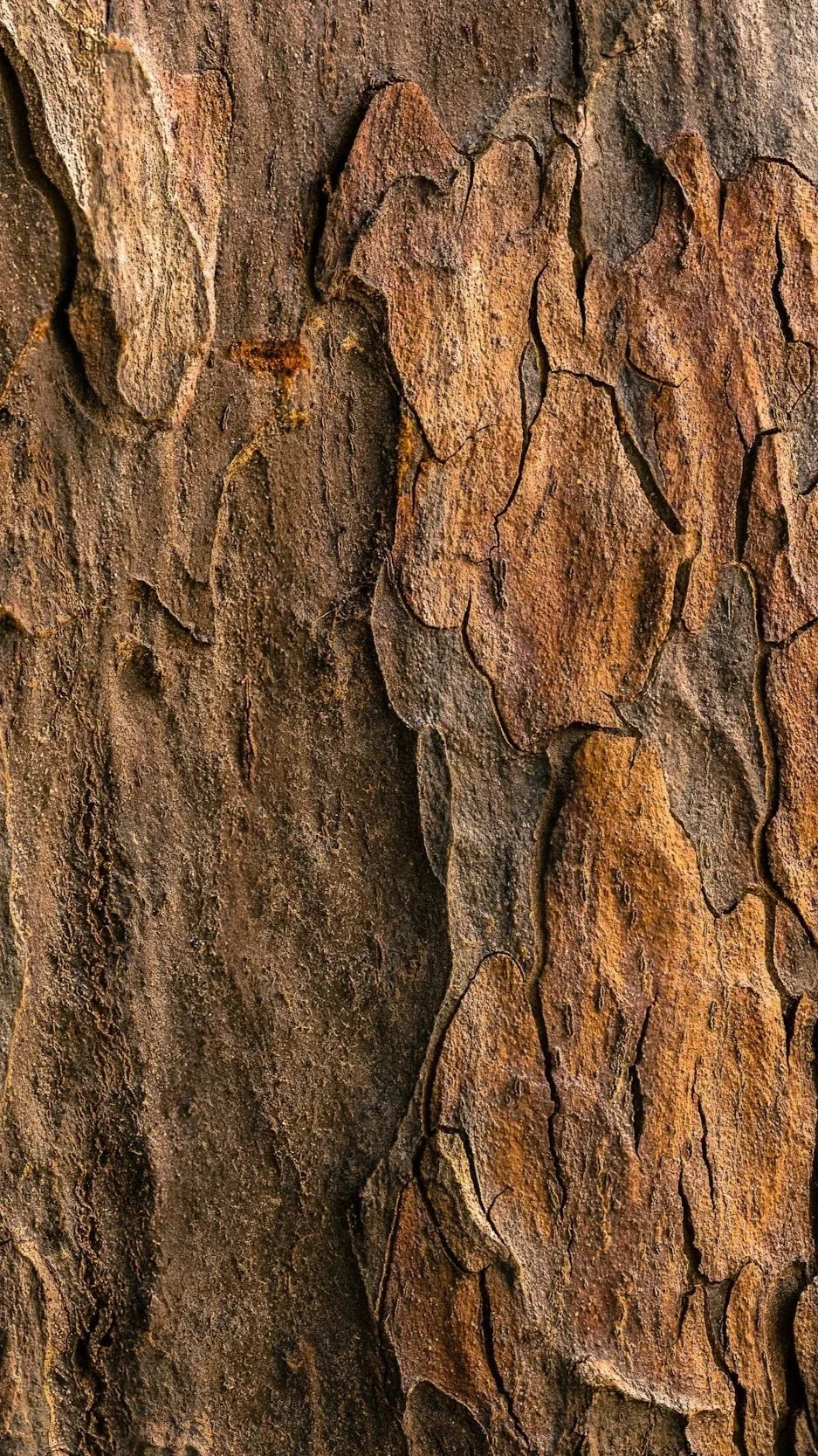
Texture Is a Love Language: Bringing Depth, Warmth & Emotion Into Your Space
Natural, earthy finishes don’t just look beautiful, they feel beautiful.
They bring qualities humans instinctively recognize:
Calming: Soft textures regulate the nervous system.
Rooted: Earth-based pigments feel ancient and timeless.
Sensory: Subtle movement invites touch and presence.
Emotional: A home begins to feel lived-in, not staged.
Connected to land: Materials echo the earth around your site.
A limewash wall, for instance, instantly telegraphs age, patina, history, and value. Clay plaster wraps a room in a warm, cocoon-like quietness. Wood paneling along a hallway can shift a space from feeling like a corridor… to feeling like a sanctuary.
This isn’t just aesthetics. It’s psychology. ( read here for more on color theory and therapy)
Your materials shape your mood, a truth that’s been proven by science and deeply felt in vernacular design across cultures.
Why Wood Paneling Deserves a Comeback
When thoughtfully used, wood paneling changes the emotional temperature of a home.
Imagine stepping into your entryway and being greeted by the quiet warmth of cedar, instantly softening the transition from outside to in. Or walking down a hallway that would otherwise feel narrow and utilitarian, now wrapped in grain and shadow, turning a simple pass-through into something almost meditative. A living room accent wall becomes less of a “feature” and more of a grounding presence, a place for the eye to rest. On a ceiling, wood is transformative: it pulls the room together, warms acoustics, and feels like a gentle canopy overhead. Behind a bed, it becomes both architecture and headboard a sense of place you feel before you even turn on the light. Wrapped around niches or climbing a stairwell, it softens echo, adds intimacy, and brings a timeless human warmth modern homes often miss.
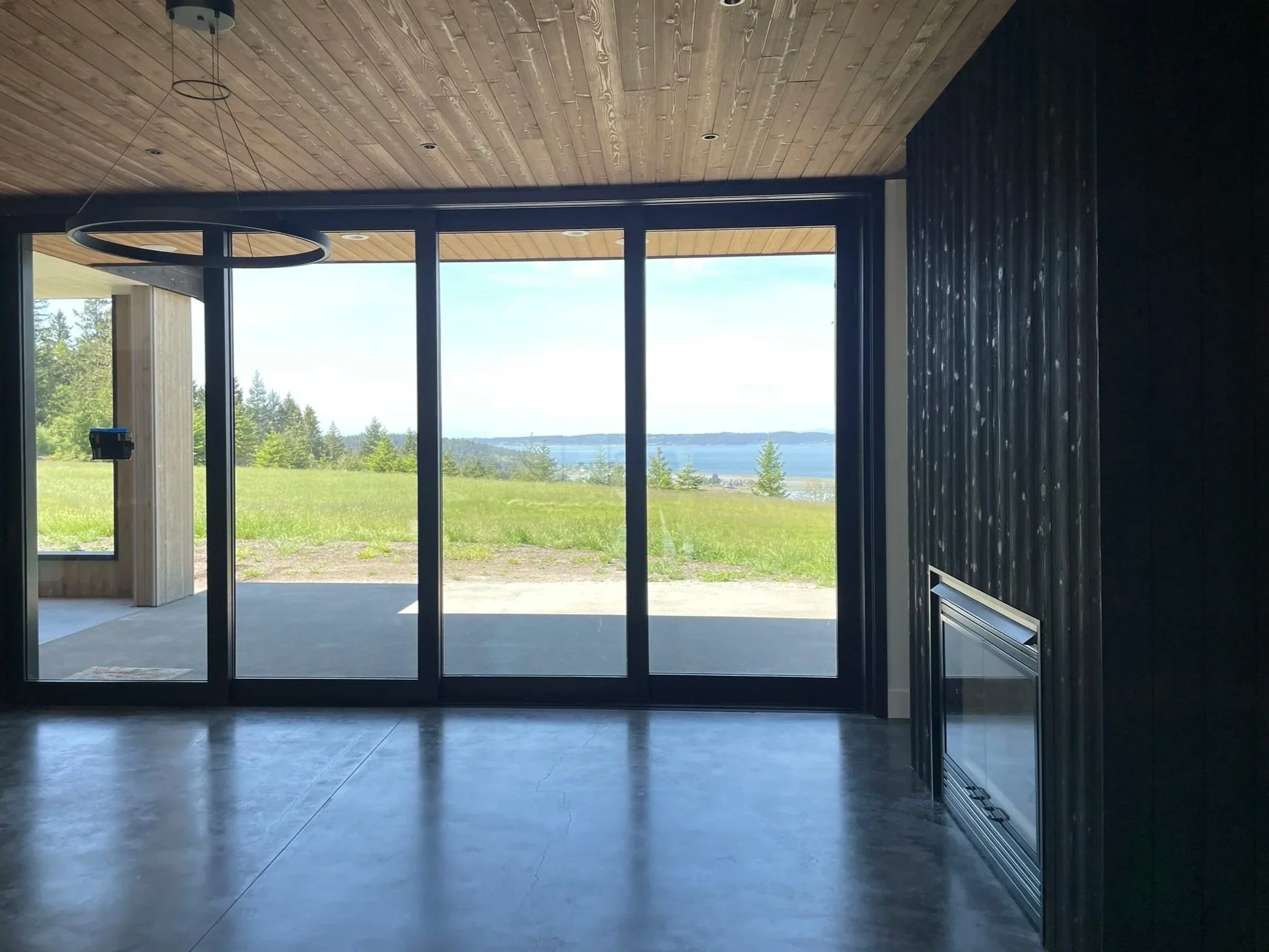
Wood is more than a material. It’s a memory of vernacular craft of home.
How to Pair Warm Walls With Cool Floors
Many homeowners choose concrete, terrazzo, or cool grey tile and then feel confused when the walls suddenly “feel off.” Here’s the design rule: Balance tone and substrate. Before choosing a wall finish, ask:
Does your concrete lean blue, green, or taupe?
Are you pairing warm walls with overly cool lighting?
Does your tile’s speckle fight warm undertones?
Is your floor matte or polished (and how does that affect reflection)?
General guidance:
Cool floors + warm walls = balanced, grounding
Warm floors + warm walls = cozy, enveloping
Cool floors + cool walls = modern, but at risk of sterile
We can walk through exact undertone examples when we start looking at your specific home.
A finish that looks perfect online can feel completely different in your living room. Because paint is never just paint, it’s light interacting with matter. Your walls will tell you who they want to be, but only if you test them in different light, at different times of day, and under your actual fixtures.
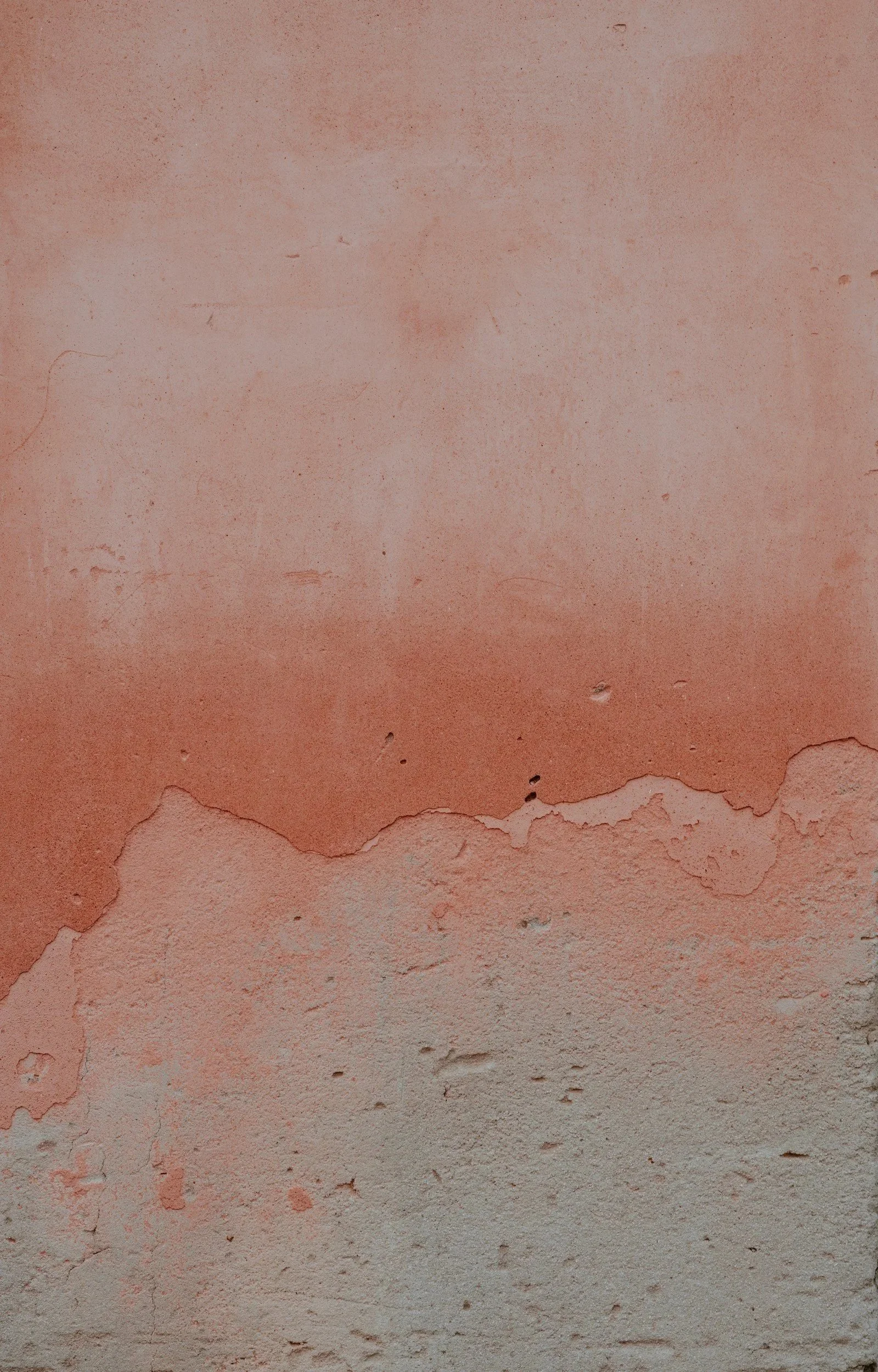
And Here’s the Real Argument for Natural Finishes
Clay, wood, and lime-based finishes change the acoustics of a home, softening echo and making rooms more intimate. They feed the nervous system natural textures, lower cortisol, improve cognitive function, and help the body regulate emotionally. They age with grace, developing patina instead of deterioration.
And ultimately, they create a deeper sense of belonging.
When your home feels rooted, you feel grounded.
In the End…. White Walls Still Have Their Place
I’ll never tell you not to use white. White ties a palette together. It can open a space, brighten a room, and calm visual noise. But white shouldn’t be the default. It should be an intentional choice. Your walls can do so much more for your space.
Ready to Explore Textures, Warm Tones, and Natural Materials?
→ Book a design consultation
→ Learn more about color theory and therapy.
